
WELCOME TO SENIOR LIVING 4.0
Main Street communities faced a new social tension: industrial progress pulled families apart even as it created the wealth that could sustain them. Younger workers moved toward mills, factories, and city trades, leaving aging parents behind on farms or in quieter town quarters. In this shifting world, churches, mutual-aid groups, and early social guilds became lifelines—organizing meal circles, visiting networks, and modest housing for
LANDING PAGE CONTENT
- Main Street History Regions
- Family and Social Life Impacts
- Economic Impacts
- Infrastructure Impacts
- Educational Impacts

Main Street History in Virtual Reality
Learning Local History with AR Campaigns
Meet Breezy AI - Your Main Street Guide
Expanding postal networks and affordable paper let families exchange letters, helping seniors stay emotionally tied to children and distant relatives.
Meet Breezy AI - Your Main Street Guide
Learning Local History with AR Campaigns
Meet Breezy AI - Your Main Street Guide
Public gatherings for worship and discussion created shared spaces where elders offered wisdom and felt valued in shaping early American community life.
Learning Local History with AR Campaigns
Learning Local History with AR Campaigns
Learning Local History with AR Campaigns
Open-air markets became weekly social hubs connecting generations, where older citizens bartered goods, shared stories, and sustained relationships beyond family circles.
Local History with Interactive Robots
Learning Local History with AR Campaigns
Learning Local History with AR Campaigns
Craft groups let older adults contribute useful goods, sustaining dignity and connection while passing domestic and textile skills to younger community members.
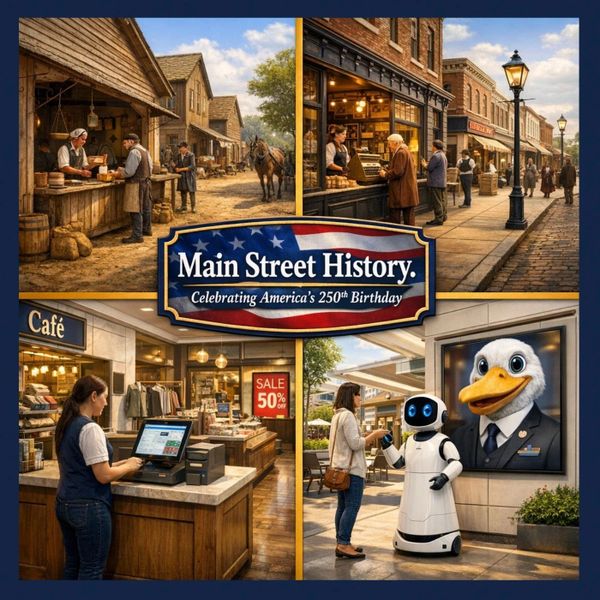
RESTAURANT'S JOURNEY
Main Street communities faced a new social tension: industrial progress pulled families apart even as it created the wealth that could sustain them. Younger workers moved toward mills, factories, and city trades, leaving aging parents behind on farms or in quieter town quarters. In this shifting world, churches, mutual-aid groups, and early social guilds became lifelines—organizing meal circles, visiting networks, and modest housing for
LANDING PAGE CONTENT
- Main Street History Regions
- Family and Social Life Impacts
- Economic Impacts
- Infrastructure Impacts
- Educational Impacts
The First Industrial Revolution
The Second Industrial Revolution
The Second Industrial Revolution
Expanding postal networks and affordable paper let families exchange letters, helping seniors stay emotionally tied to children and distant relatives.
The Second Industrial Revolution
The Second Industrial Revolution
The Second Industrial Revolution
Public gatherings for worship and discussion created shared spaces where elders offered wisdom and felt valued in shaping early American community life.
The Third Industrial Revolution
The Second Industrial Revolution
The Third Industrial Revolution
Open-air markets became weekly social hubs connecting generations, where older citizens bartered goods, shared stories, and sustained relationships beyond family circles.
Welcome to The Future of Dining
The Second Industrial Revolution
The Third Industrial Revolution
Craft groups let older adults contribute useful goods, sustaining dignity and connection while passing domestic and textile skills to younger community members.
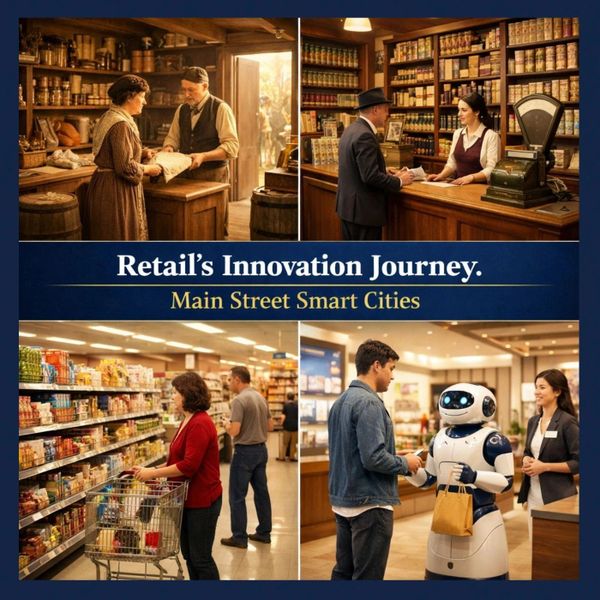
THE SHOPPING JOURNEY
Main Street communities faced a new social tension: industrial progress pulled families apart even as it created the wealth that could sustain them. Younger workers moved toward mills, factories, and city trades, leaving aging parents behind on farms or in quieter town quarters. In this shifting world, churches, mutual-aid groups, and early social guilds became lifelines—organizing meal circles, visiting networks, and modest housing for
LANDING PAGE CONTENT
- Main Street History Regions
- Family and Social Life Impacts
- Economic Impacts
- Infrastructure Impacts
- Educational Impacts
The First Industrial Revolution
The Future of Main Street Shopping
The Second Industrial Revolution
Expanding postal networks and affordable paper let families exchange letters, helping seniors stay emotionally tied to children and distant relatives.
The Second Industrial Revolution
The Future of Main Street Shopping
The Second Industrial Revolution
Public gatherings for worship and discussion created shared spaces where elders offered wisdom and felt valued in shaping early American community life.
The Third Industrial Revolution
The Future of Main Street Shopping
The Future of Main Street Shopping
Open-air markets became weekly social hubs connecting generations, where older citizens bartered goods, shared stories, and sustained relationships beyond family circles.
The Future of Main Street Shopping
The Future of Main Street Shopping
The Future of Main Street Shopping
Craft groups let older adults contribute useful goods, sustaining dignity and connection while passing domestic and textile skills to younger community members.
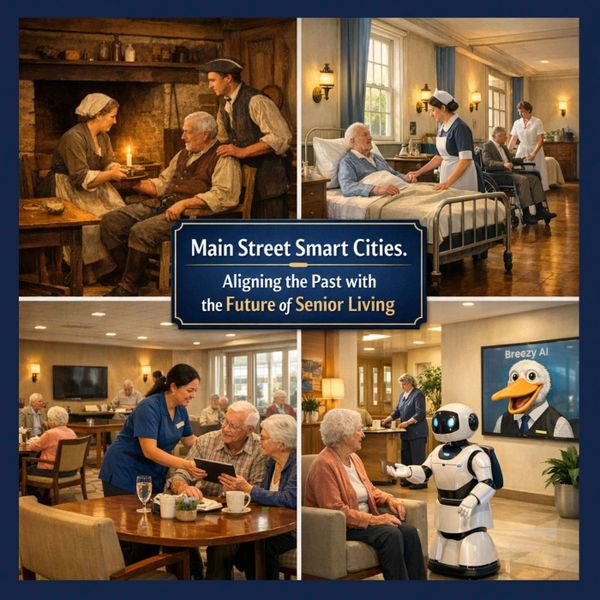
SENIOR LIVING'S JOURNEY
Main Street communities faced a new social tension: industrial progress pulled families apart even as it created the wealth that could sustain them. Younger workers moved toward mills, factories, and city trades, leaving aging parents behind on farms or in quieter town quarters. In this shifting world, churches, mutual-aid groups, and early social guilds became lifelines—organizing meal circles, visiting networks, and modest housing for
LANDING PAGE CONTENT
- Main Street History Regions
- Family and Social Life Impacts
- Economic Impacts
- Infrastructure Impacts
- Educational Impacts
The First Industrial Revolution
The Second Industrial Revolution
The Second Industrial Revolution
Expanding postal networks and affordable paper let families exchange letters, helping seniors stay emotionally tied to children and distant relatives.
The Second Industrial Revolution
The Second Industrial Revolution
The Second Industrial Revolution
Public gatherings for worship and discussion created shared spaces where elders offered wisdom and felt valued in shaping early American community life.
The Third Industrial Revolution
The Second Industrial Revolution
The Third Industrial Revolution
Open-air markets became weekly social hubs connecting generations, where older citizens bartered goods, shared stories, and sustained relationships beyond family circles.
The Future of Senior Living
The Second Industrial Revolution
The Third Industrial Revolution
Craft groups let older adults contribute useful goods, sustaining dignity and connection while passing domestic and textile skills to younger community members.
San Diego Smart Cities History
Orange County Smart Cities History
Orange County Smart Cities History
Expanding postal networks and affordable paper let families exchange letters, helping seniors stay emotionally tied to children and distant relatives.
Orange County Smart Cities History
Orange County Smart Cities History
Orange County Smart Cities History
Public gatherings for worship and discussion created shared spaces where elders offered wisdom and felt valued in shaping early American community life.
Los Angeles Smart Cities History
Orange County Smart Cities History
Los Angeles Smart Cities History
Open-air markets became weekly social hubs connecting generations, where older citizens bartered goods, shared stories, and sustained relationships beyond family circles.
The Future of Main Street
Orange County Smart Cities History
Los Angeles Smart Cities History
Craft groups let older adults contribute useful goods, sustaining dignity and connection while passing domestic and textile skills to younger community members.